
22 September 2026
Kalyan Morning Chart: How to Read and Understand the Chart Data
Read a clear guide to Kalyan Morning Chart records covering panel numbers, jodi pairs, date alignment, historical results, repeating patterns, common mistakes, and simple methods for reviewing daily data.
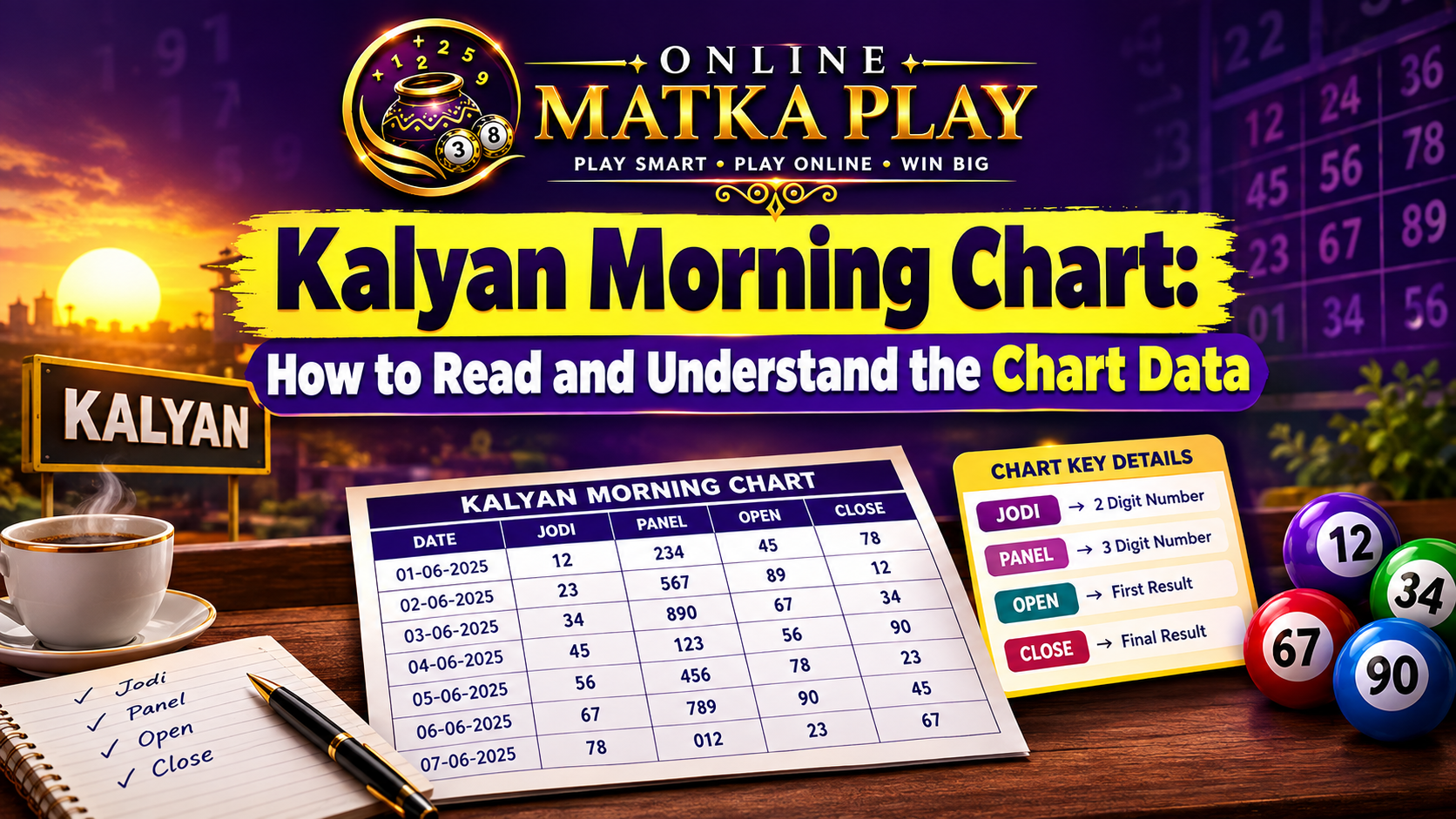
Learning a kalyan morning chart might look tough when you first open a page full of numbers. People get confused by all the rows and columns that change every single day. Taking a little time to look at the layout makes everything much clearer. Numbers on the board are just past records showing open and close digits. Reading these grids helps you track past outcomes without getting lost in the math. Every row tells a story about previous draws that happened on specific dates. Folks who check these records regularly start to spot simple patterns in the way digits land. Grasping this data is all about keeping things basic and not overthinking every single row. Reviewing a daily kalyan morning chart helps build confidence over time.
Understanding the Kalyan Morning Chart Format
Checking out the general layout helps you feel comfortable before diving into deep math. Rows and columns follow a strict calendar order so you never lose your place. Every block represents a specific day of the week with designated slots for all outcomes.
- Grid Layout: Columns split the data into clear sections for easy daily viewing.
- Date Alignment: Rows follow a strict chronological timeline from top to bottom.
- Color Contrast: Most boards use simple alternating shades to keep rows from blending together.
Getting used to this basic structure makes scanning a kalyan morning chart feel like reading a simple calendar log.
Decoding Open Panel, Close Panel and Jodi Numbers
Breaking down the grid means knowing the difference between single digits, jodis, and panels. Open numbers and close numbers combine to form the main results you see on the screen.
- Open Panel: The first three-digit set showing up on the left side of the row.
- Close Panel: The last three-digit set resting on the right side of the daily line.
- Jodi Pair: The middle two-digit combination formed by the sum ends of the open and close panels.
Spotting these three parts lets you read any table layout smoothly. Rows are arranged by dates so you can look backward to see older results. Checking the kalyan morning chart every day keeps your tracking up to date. Analyzing each line on a fresh kalyan morning chart makes panel reading much simpler.
Reading Historical Kalyan Morning Chart Records
Looking at months of old numbers can make your head spin if you try to memorize everything at once. Historical records stretch back across years, but you do not need to study every single line to understand how the system operates. Focusing on the most recent week gives you a much better feel for current activity.
- Weekly Blocks: Rows are usually grouped by weeks, running from Monday through Saturday or Sunday.
- Archived Data: Older entries sit near the top of traditional layouts while fresh entries show up at the bottom.
- Single Focus: Pick one specific column or day to analyze instead of staring blindly at the whole page.
Taking things section by section keeps your mind sharp and stops information overload. Treating the archive like a simple calendar log rather than a puzzle makes data review much easier. Consulting a detailed kalyan morning chart archive can clear up past confusion.
Understanding Patterns in Past Chart Data
Noticing how digits behave across changing months takes patience and a sharp eye. Seasons change, but the way grids display historical entries stays completely uniform. Looking closely at previous cycles shows that numbers often repeat or cycle through familiar sequences over time.
- Cycle Tracking: Comparing this month with the same month last year reveals interesting numerical repetitions.
- Frequency Checks: Counting how often specific digits appear helps you understand overall board movement.
- Layout Mapping: Drawing your own mini tables on paper makes complex rows much easier to digest.
Observing these seasonal shifts stops you from feeling overwhelmed by long archives. Taking notes on repeating trends gives you a clearer picture of how past draws unfold. Analyzing a comprehensive kalyan morning chart helps bring these yearly trends into perspective.
Common Mistakes When Reading Chart Results
Many newcomers jump straight into conclusions without checking the correct date or matching row. Rushing through the numbers leads to mixed-up pairs and wrong guesses about past trends. Taking a slow approach prevents simple reading errors on the main tracking grid. Another mistake is thinking old numbers can guarantee what will happen next. Past records only show history rather than future certainties. Staying calm and looking at the kalyan morning chart with a clear head makes all the difference.
Simple Steps to Track Daily Chart Records
Following a steady routine helps you keep track of market updates without stress. Setting aside a few minutes each afternoon allows you to log the latest digits accurately.
- Check the Timing: Always look at results after the official market hours close.
- Verify the Date: Match today's row carefully with the calendar day to avoid mixed notes.
- Save Your Notes: Keep a personal log of the kalyan morning chart to review weekly trends easily.
Keeping records clean stops confusion when looking back at older weeks. Small daily habits make dealing with numbers much easier over the long run. Keeping an updated kalyan morning chart handy makes record keeping simple.
Smart Habits for Long-Term Chart Review
Sticking to a consistent method prevents frustration when numbers start repeating across different weeks. Writing down observations in a personal notebook helps you remember key trends without relying entirely on memory. Setting a fixed time limit for looking at the screen keeps your daily routine balanced. Taking regular breaks stops eye strain and mental fatigue from staring at dense grids too long. Keeping your expectations grounded ensures that checking records remains a relaxed activity rather than a stressful chore. Building these steady habits protects your time and keeps your mind clear while reviewing any data sheet. Checking an updated kalyan morning chart periodically is much safer when done with a calm mindset.
Final Thoughts
Looking at past numbers is just a way to understand how the market moves over time. Keeping your expectations realistic helps you stay safe and enjoy tracking data without any stress. Finding a reliable platform like onlinematkaplay.guru makes checking your daily results simple. Always remember to keep things fun, stay calm, and never chase losses while viewing any kalyan morning chart record.
Frequently Asked Questions
1. What is a kalyan morning chart used for?
It is used to check past open and close numbers, panel records, and jodi results from previous days.
2. Can a kalyan morning chart predict future numbers?
No, these tables only show historical results and cannot guarantee future outcomes.
3. How do I find the open and close panels?
The open panel sits on the left side of the row, while the close panel is on the right.
4. Where can I view these numbers safely?
You can check updated records on trusted portals.
5. Are past results updated automatically?
Yes, daily updates appear on the board right after official market declarations.